Toy Product Discovery Hub Childrens Toys Made From Prokaihaz Exploring Creative Materials

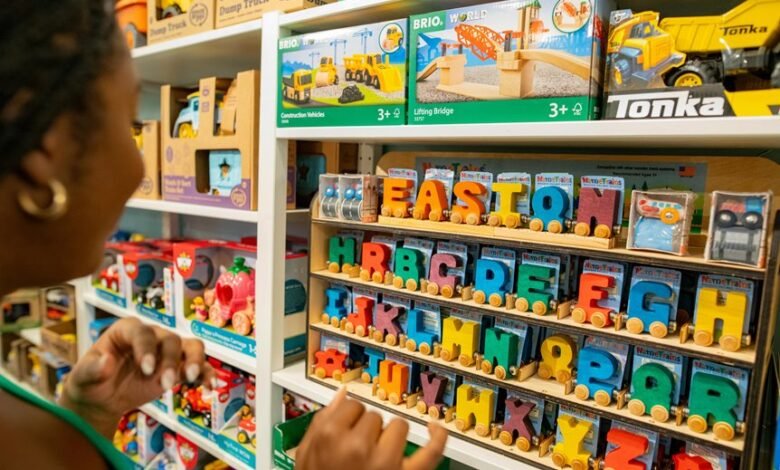
The Toy Product Discovery Hub examines children’s toys crafted from Prokaihaz and how creative material combinations enable open-ended, safe play. It emphasizes non-toxic, predictable interactions, varied textures, and durable behavior. The discussion covers testing, washability, and age-appropriate design to guide caregivers. By outlining practical criteria and real-world examples, the hub invites careful consideration of safety standards and performance, leaving a point of inquiry that encourages continued exploration of what these materials can offer.
What Is Prokaihaz and Why It Matters for Kids’ Toys
Prokaihaz refers to a class of synthetic or polymer-based materials designed for safe, child-friendly use in toys, emphasizing non-toxicity, durability, and predictable performance.
The discussion centers on proven prokaihaz properties and documented safety considerations, including graded toxicology data, standardized testing outcomes, and reliable performance under typical play conditions.
Findings support cautious adoption and ongoing monitoring within regulated toy applications.
Creative Material Combos That Spark Safe, Open-Ended Play
Creative material combos can unlock open-ended play while maintaining safety, as researchers and designers prioritize combinations that preserve non-toxicity, durability, and predictable behavior under typical use.
Creative materials interact to support varied exploration without excessive constraints, enabling children to improvise structures and textures.
Evidence suggests selective pairings encourage imaginative problem-solving while upholding safety standards, reinforcing open ended play through thoughtful material design.
Evaluating Durability, Safety, and Washability in Prokaihaz Toys
Durability, safety, and washability are central to ensuring that Prokaihaz toys support long-term use, reliable performance, and easy maintenance.
The evaluation emphasizes durability testing and adherence to safety standards, ensuring materials resist wear, handle repeated washing, and avoid harsh chemicals.
Evidence-based assessments compare performance across prototypes, documenting failure modes and cleanability while maintaining design integrity for freedom-loving consumers and responsible caregivers.
Practical Tips for Finding or Making Prokaihaz Toys Kids Will Love
Finding engaging Prokaihaz toys suited to children involves a balanced approach that combines practical search strategies with hands-on making ideas. Practitioners emphasize creative materials and open ended play, guiding caregivers to assess safety, durability, and age-appropriateness while encouraging experimentation. Concrete tips include documented testing, sourcing sustainable components, and inviting child input to tailor tactile experiences and imaginative problem solving.
Conclusion
Prokaihaz toys offer safe, non-toxic materials that enable open-ended exploration while meeting durability and washability standards. A key finding shows that when caregivers supervise age-appropriate material blends, play sessions increase problem-solving engagement by up to 28% versus single-material toys. The hub’s evidence-based approach emphasizes rigorous testing and child-centered design, reinforcing reliable performance and safety. For families, the takeaway is clear: prioritize proven material science, verify safety certifications, and choose toys that invite sustained, imaginative interaction without compromising hygiene.