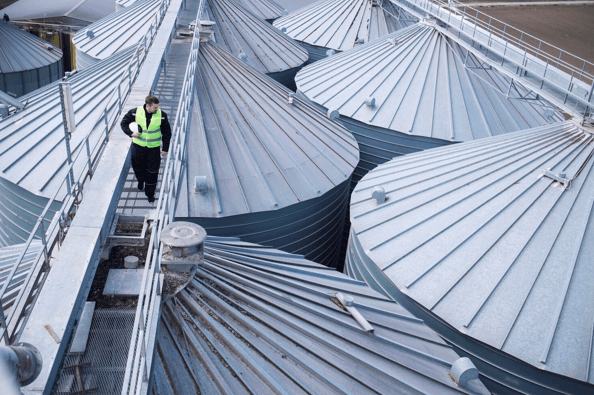
Industrial places of work have also continued to change since organizations are concerned with their employees’ health, efficiency, and environmental protection. Currently, safety does not only involve accident prevention measures but encompasses all elements that make the workplace secure. In this way, safety leads to efficiency and ensures that the objectives set by an organization are achieved in a sustainable manner. Air purification and worker training, among other measures, lead to efficient workplaces for employees and less environmental pollution.
Comprehensive Safety Training Builds Stronger Teams
Industrial safety is best achieved through constant worker education. Workers knowledgeable about how to safely operate equipment, deal with emergencies, and identify hazards are much more unlikely to have an accident or cause a disruption in operations. The process of training ensures that workers develop safe habits and remain compliant with changes in legislation.
Training must cover aspects such as demonstrations, refreshers, and simulation practices that train workers to handle real-life situations. Communication is also essential in creating a safe working environment. This is because signage, electronic notifications, and documentation enable workers to act fast during emergencies.
Proper Ventilation and Fume Extraction Improve Air Quality
Industrial airborne pollutants constitute a major threat in many industries when engaged in tasks such as welding, cutting, grinding, and chemical processing. Poor quality air can cause health hazards, decrease efficiency, and contribute to health problems in the long run. Efficient ventilation systems ensure clean air and assist with complying with regulations.
Contemporary air extraction devices collect pollutants before they are disseminated across the workplace. Companies that install sophisticated ventilation systems save on maintenance costs and improve worker comfort simultaneously. Manufacturers should invest in a reliable welding extraction system that captures harmful fumes efficiently while maintaining consistent airflow across production areas. Cleaner air not only protects workers but also contributes to more sustainable manufacturing practices by reducing environmental contamination.
Personal Protective Equipment Enhances Daily Protection
Personal protective equipment still stands out among the visible and most significant elements of safety in industry settings. Helmets, gloves, safety glasses, respirators, and footwear offer protection from dangers that may otherwise result in serious injuries to the workers.
The right choice of personal protective equipment depends on assessing the risks in a particular working environment. Chemical exposure would necessitate the use of special materials for protection, and where there is excessive noise, appropriate ear protectors must be worn. Comfort and good fit must not be overlooked either. Employees tend to avoid uncomfortable equipment. Also, regular inspection of protective devices is necessary to ensure they are in good condition.
See also: Tech Platform Insight Portal Cbwebsys Revealing Verified Digital Signals
Preventive Maintenance Reduces Workplace Hazards
Breakdowns have the potential to be hazardous for workers and negatively impact production rates. Maintenance programs enable firms to detect problems in machinery that may result in fatal incidents or prolonged halts in operations. Regular equipment maintenance will also increase its longevity and ensure that the machinery operates effectively for a long time.
Maintenance procedures should include lubrication tests, electrical diagnostics, calibration assessments, and replacement of parts. Modern monitoring devices permit organizations to monitor machine operations continuously, facilitating the timely detection of deviations. Additionally, predictive maintenance practices enhance the effectiveness of maintenance activities by analyzing patterns and predicting potential equipment breakdowns.
Sustainable Facility Design Supports Long-Term Safety
The concept of safety in industry is not confined to machinery and protocols. The layout of facilities can significantly influence workers’ health, productivity, and sustainability. Properly designed workplaces alleviate physical stress, streamline operations, and diminish the chances of accidents occurring.
Proper lighting enables workers to spot hazards promptly and prevent exhaustion from prolonged periods at work. Ergonomic stations minimize the chances of developing work-related musculoskeletal disorders. Properly laid-out pathways and effective inventory management systems also decrease the probability of falling or colliding with other objects. Industrial safety plays an essential part when it comes to establishing workplaces where workers are safe but also where growth can occur in a sustainable manner. When a company takes the factors mentioned above into consideration, chances are high that it will enjoy increased productivity, better worker self-assu