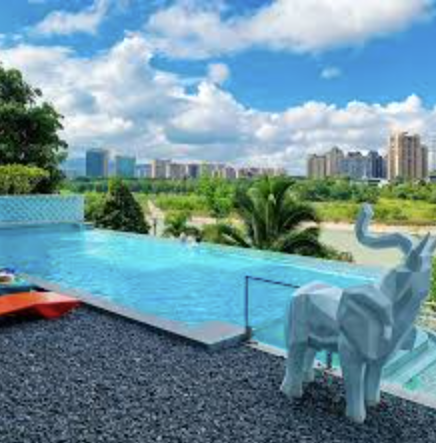
Acrylic swimming pools have moved from a novelty feature found in luxury resorts to a genuinely popular option for residential, hospitality, and commercial projects seeking a distinctive visual centerpiece. As demand has grown, so has the number of suppliers offering acrylic pool panels, making supplier selection an increasingly important decision for project developers and architects.
Why Acrylic Has Become a Preferred Material
Acrylic panels offer optical clarity that significantly exceeds standard glass options of comparable thickness, while also providing better impact resistance and lighter weight, which simplifies both transportation and installation for large-scale panels. These properties make acrylic particularly well suited to underwater viewing windows, infinity edge pools, and other applications where structural transparency needs to hold up against sustained water pressure over years of use.
Evaluating Manufacturing Quality
Not all acrylic panels are produced to the same standard, and quality differences become particularly apparent over time as panels age. A reputable acrylic swimming pool supplier should be able to provide documentation on panel thickness calculations relative to water pressure and pool dimensions, along with UV resistance treatments that prevent yellowing or clouding from prolonged sun exposure in outdoor installations.
Bonding quality between panel seams is another critical factor for larger installations that require multiple acrylic sections joined together. Poor seam bonding can lead to visible seam lines or, in more serious cases, structural weakness over time, making it worth requesting seam testing certificates or project references from suppliers before committing to a large-scale order.
See also: The Hidden Costs of Buying Your First Home
Structural Engineering Requirements
Acrylic pool panels are subjected to constant hydrostatic pressure, and the engineering calculations behind panel thickness need to account for pool depth, water volume, and safety margins appropriate to the specific installation. Working with a supplier who provides engineering support alongside the physical panels, rather than simply shipping standard-sized products, helps ensure the final installation meets both safety and longevity requirements.
Installation and Logistics Considerations
Large acrylic panels present genuine logistical challenges related to transportation and on-site handling, given their size and the care required to avoid scratching or stress-cracking during installation. Suppliers with experience in international shipping and installation support tend to reduce the risk of damage during the process, which matters considerably given the cost of these specialized panels.
Long-Term Maintenance Expectations
Acrylic surfaces require different cleaning approaches compared to glass or tile, particularly regarding chemical compatibility with cleaning products, since certain solvents can cause clouding or surface damage over repeated use. Suppliers should provide clear maintenance guidance specific to their panel treatments to help clients preserve clarity and appearance over the pool’s operational life.
Conclusion
Selecting the right acrylic swimming pool supplier involves far more than comparing price quotes. Manufacturing quality, engineering support, and logistics capability all significantly influence the long-term success of an acrylic pool installation, making thorough supplier evaluation an essential step for any project involving this distinctive material.
FAQs
Q1: How does acrylic compare to glass for underwater viewing panels? Acrylic generally offers greater clarity, lighter weight, and better impact resistance compared to glass panels of similar thickness.
Q2: Do acrylic pool panels require special maintenance? Yes, certain cleaning chemicals can cause clouding or surface damage, so following supplier-specific maintenance guidance is important.
Q3: What should I check before ordering large acrylic panels for a project? Request documentation on panel thickness engineering, seam bonding quality, and UV resistance treatments appropriate to your installation environment.